
What Does Real Estate Management Cost? (Quick Answer)
Real estate management cost typically falls between 8% and 12% of monthly rent for residential properties — but that number alone won’t tell you what you’ll actually pay.
Here’s a fast breakdown of what to expect:
| Fee Type | Typical Range |
|---|---|
| Monthly management fee | 8–12% of collected rent (or $100–$300 flat) |
| Leasing / tenant placement | 50–100% of one month’s rent |
| Lease renewal fee | $100–$400 per renewal |
| Setup / onboarding fee | $100–$500 one-time |
| Maintenance markup | 10–20% on repair costs |
| Eviction handling | $200–$1,000 + legal fees |
| Vacancy fee | $50–$100/month (when empty) |
Bottom line: Your real all-in annual cost is often closer to 18–20% of gross annual rent once every fee is counted — not just the headline percentage.
Most landlords look at that 8–12% figure and think they’ve got the math figured out. Then the first leasing fee hits. Then a maintenance markup. Then a renewal charge. Suddenly the numbers don’t add up the way they expected.
This guide is for property owners who want to stop guessing and start understanding exactly where their money goes — so they can compare management companies fairly and choose wisely.
I’m Pablo Negrete, co-owner of Mountain Village Property Management in Bozeman, Montana, where I manage single-family homes and multi-unit rentals across Southwest Montana. I’ve seen how confusing real estate management cost can be for owners — especially those managing properties from out of state — and I’m here to break it down clearly.
Real estate management cost terms simplified:
Understanding the Real Estate Management Cost Structure
When we talk about the real estate management cost, we usually start with the base monthly fee. This is the “subscription” you pay for someone to handle the day-to-day headaches of your rental. In the Bozeman and Belgrade markets, you’ll generally see two main ways this is billed: a percentage of the rent or a flat monthly fee.
Percentage-Based Fees vs. Flat-Rate Fees
Most property management companies in Montana, from Livingston to Three Forks, use the percentage model. It’s popular because it aligns our incentives with yours: if the rent goes up or we collect more, we both win. However, check if the fee is based on rent collected or rent scheduled. We always recommend looking for “collected” language—you shouldn’t have to pay a management fee if the tenant hasn’t paid their rent!
| Feature | Percentage-Based Fee | Flat-Rate Fee |
|---|---|---|
| Average Cost | 8% to 12% of monthly rent | $100 to $300 per unit |
| Best For | Standard residential rentals | High-rent luxury properties |
| Incentive | Encourages PM to maximize rent | Predictable budgeting for owner |
| Risk | Fees rise as rent increases | PM may be less motivated to raise rent |
At Mountain Village Property Management, we’ve simplified this for our neighbors in Gallatin County. We offer a low 4.9%–8.9% management fee, which is on the very bottom end of the industry average. We believe in keeping things transparent so you can actually predict your cash flow without needing a degree in advanced mathematics.
If you’re looking for a professional in your area, the National Association of Residential Property Managers is a great resource to find licensed experts who adhere to a strict code of ethics.
Hidden Fees and Factors Influencing Total Investment
If the monthly fee is the tip of the iceberg, the “ancillary fees” are the massive chunk of ice lurking underwater. This is where many landlords start to feel the “cry” we mentioned in the title. These fees aren’t necessarily “bad”—they cover the actual labor of specialized tasks—but they can certainly surprise you if they aren’t disclosed upfront.
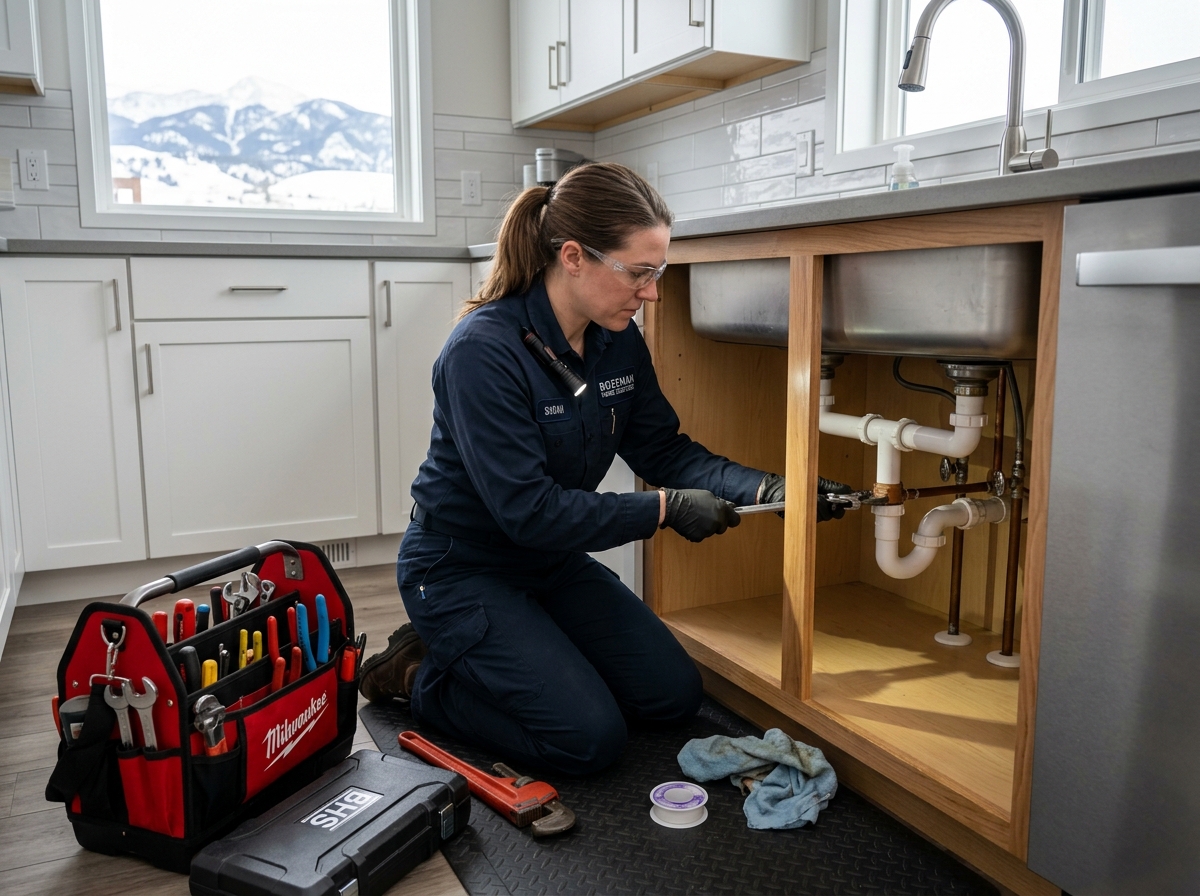
One of the first things you might encounter is a setup fee or onboarding fee. This covers the administrative time it takes to set up your account, inspect the property, and integrate your data into management software. While the national average for this is around $300, we do things a bit differently. We offer no set-up fee (Signature & Summit plans) because we want to make the transition to professional management as painless as possible for owners in Butte and Manhattan.
Another factor to watch out for is the vacancy fee. Some companies charge $50 to $100 a month even when the property is empty. We find this creates a “perverse incentive”—the manager gets paid even if they aren’t working hard to fill the unit.
It’s also crucial to stay informed about State Landlord-Tenant Laws. If a manager has to handle an eviction, which can cost $500 or more in base fees plus legal costs, you want to ensure they are following Montana law to the letter to avoid even costlier legal blunders.
Hidden Fees That Inflate Your Real Estate Management Cost
To truly estimate your real estate management cost, you have to look at the “big three” additional charges:
- Leasing Fees (Tenant Placement): This is often the most expensive one-time fee. It typically ranges from 50% to 100% of one month’s rent. It covers marketing, showings, and the rigorous screening process required to find a high-quality tenant.
- Lease Renewal Fees: When a tenant stays (which is great!), many managers charge $100 to $400 to handle the paperwork, market analysis, and lease signing for another year.
- Maintenance Markups: If a plumber charges $200, some management companies add a 10-20% “coordination fee” on top. This means you pay $220 or $240. Always ask if your manager uses in-house maintenance or third-party vendors and what their markup policy is.
Don’t forget about reserve funds. Most managers require you to keep $200 to $500 in a trust account so they can fix a leaky pipe or a broken heater immediately without waiting for you to mail a check.
How Property Type Impacts Real Estate Management Cost
The type of property you own in Southwest Montana significantly changes the fee structure. Managing a single-family home in Belgrade is a very different animal than managing a 20-unit apartment complex in Bozeman or a short-term vacation rental near the mountains.
- Single-Family Homes: Usually 8–12%. These require more individual attention per unit.
- Multi-Family Units: If you have a large portfolio (10+ units), you can often negotiate a lower rate, sometimes between 4% and 7%, because of the “economy of scale.”
- Commercial Real Estate: Typically ranges from 4% to 12% depending on the complexity of the leases (triple net vs. gross).
- Short-Term Rentals (STRs): Because of the high turnover, cleaning coordination, and guest communication, STR management fees are much higher, often 15% to 25% of gross income.
ROI Analysis: Is Professional Management Worth the Expense?
We often hear landlords ask, “Why should I pay 8% when I can just do it myself?” It’s a fair question. But the real estate management cost isn’t just an expense; it’s an investment in your time and legal safety.
Consider the “Time Value” calculation. If you earn $100 an hour at your job, and you spend 10 hours a month chasing rent, coordinating a roof repair, and answering 2 AM emergency calls, you’ve effectively “spent” $1,000 of your time. If a professional manager costs you $150 a month, you are actually saving $850 in time value.
Beyond time, there’s the ROI of expertise:
- Legal Compliance: One mistake with a security deposit or a Fair Housing violation can cost you thousands in fines.
- Tenant Retention: We know that a vacant month is the biggest “hidden cost” in real estate. Professional managers use data-driven strategies to keep tenants happy and units full.
- Market Rent: We ensure you aren’t leaving money on the table. If we can get you $100 more per month in rent than you could on your own, our fee practically pays for itself.
For a deeper dive into how we handle these specific tasks, check out more info about property management services on our site.
How to Choose a Manager and Negotiate Better Rates
Choosing the right partner is about more than just finding the lowest real estate management cost. A “cheap” manager who lets your property sit vacant for two months is far more expensive than a “premium” manager who keeps it occupied.
Red Flags to Watch For
- Poor Communication: If they don’t call you back when you’re a prospective client, they definitely won’t call you back when the basement is flooding.
- Hidden Markups: If they aren’t transparent about their maintenance fees, what else are they hiding?
- High Turnover: Ask about their average tenant stay. If tenants leave every year, there might be a management issue.
- No Local Presence: You want someone who can drive by the property in Bozeman or Livingston, not someone managing it from a call center in another state.
Negotiation Tactics
Yes, you can negotiate! Here is how we recommend doing it:
- Portfolio Discounts: If you have 5 or more properties, always ask for a volume discount.
- Contract Length: Some managers will lower the monthly percentage if you sign a multi-year agreement.
- Performance Incentives: Ask if they are willing to tie a portion of their fee to specific goals, like maintaining a 95% occupancy rate.
- Termination Clause: Never sign a contract that doesn’t let you leave with a 30-day notice if you’re unhappy. The best companies don’t need to “trap” you with long-term commitments.
Frequently Asked Questions
What is the average percentage for residential property management?
The national average is between 8% and 12% of the monthly rent. In high-demand Montana markets like Bozeman, 10% is very common, though we at Mountain Village Property Management offer a competitive 8% rate to help our owners maximize their returns.
Are property management fees tax-deductible?
Yes! One of the best parts about the real estate management cost is that it is considered an “ordinary and necessary” business expense by the IRS. This means you can typically deduct the management fees, leasing fees, and even the cost of repairs from your rental income, which lowers your overall tax burden. Always consult with a tax professional in Montana to be sure.
Do property managers charge fees when a unit is vacant?
It depends on the contract. Some companies charge a flat “vacancy fee” to cover the cost of periodic inspections while the unit is empty. However, many reputable companies (including us!) prefer not to charge management fees when no rent is being collected, as it keeps our goals aligned with yours: getting the unit filled with a great tenant as quickly as possible.
Conclusion
Estimating your real estate management cost doesn’t have to be a tear-filled experience. By looking past the headline percentage and understanding the full scope of leasing fees, renewal costs, and maintenance markups, you can build a realistic budget that protects your investment.
At Mountain Village Property Management, we pride ourselves on being the Bozeman experts who treat your property like our own. With our transparent 4.9%–8.9% management fee, no set-up fee (Signature & Summit plans), and a commitment to high occupancy rates, we make being a landlord in Southwest Montana truly hassle-free.
Whether you have a single condo in Belgrade or a growing portfolio in Three Forks and Livingston, we are here to help you succeed.
Ready to stop stressing and start earning?
- Call us: 406-602-2018
- Email us: admin@mvpmrentals.com
- Visit us: Get started with professional property management
Let’s keep your rentals full and your stress levels empty. Reach out today for a free rental analysis!